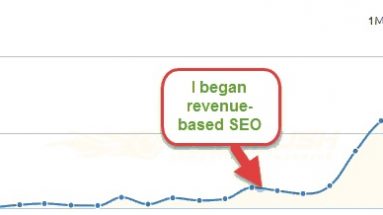
Chances are that your company markets itself through a number of different channels. Whether it is through traditional advertising methods we are all familiar with like radio, television, newspapers, magazines, direct mailing, billboards, etc. or from more modern efforts like search engine marketing, you need to be able to quantitatively determine if your strategy is driving business.
As you seek to promote your business online, you are likely pretty focused on bringing in as many new site visitors and customers as possible. This is a noble goal, but don’t ignore the sometimes hidden land of plenty that your current and past customers represent in your online marketing efforts.
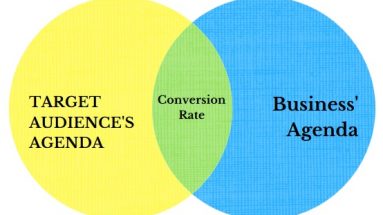
There are many aspects of Conversion Rate Optimization (CRO) that SEO Companies address effectively: testing headlines, the call to action, content, images, etc. But, there is an aspect of CRO that SEO firms don’t address well: web design.
In my last post I defined what it means to have useful web content for the business, especially from the perspective of Google’s algorithm. If you aren’t sure what I mean by useful content you might want to read: Useful Content Is Part of The Algo
Matt Cutts recently said, “We have over 200 signals in our scoring to try to return the most relevant, the most useful, the most accurate search results that we can find.”
Up to very recently, conversion rate optimization (CRO) was dominated by consultants who were providing the optimization solutions as a blend of empirical experience with a little bit of technology. The practitioners were relying more on the art of persuasive copy writing and the best design practices, and less on the technology and scientific methods.
Google’s algo changes on a frequent basis, most of the time without warning. Why Google changes the way they rank search results so often is likely due to business objectives (keeping investors happy), trying to keep up their image as an innovator and manager of the web’s information amidst a host of competitors (Facebook, Twitter, Bing, Yelp, etc.), fighting spam, and providing relevant search results. It’s rare that Google informs everyone about upcoming changes to their algo (as they did with Caffeine), unless it helps them achieve one of their many objectives. In my opinion, Google wanted plenty of user feedback before they launched Caffeine.
Google caffeine, the latest algo update, emphasizes page speed load time. Google says this will help make the web faster – more user friendly. But how much emphasis should be placed on things like optimizing photos for faster download, consolidating all css into one file, reducing flash usage and other things that bog down a browser? Matt Cutts, Google engineer, takes a moment to answer…